



Should a lost masterpiece stay lost?
There’s a plan afoot to use AI to restore the lost scenes of Orson Welles’ damaged second epic, The Magnificent Ambersons.
According to the Hollywood Reporter, “Amazon-backed firm Showrunner, led by Edward Saatchi, is using the film as a test case for how Hollywood can overhaul production. The results won’t be commercialized — the tech giant hasn’t obtained rights from Warner Bros. or Concord.”
The Ambersons is long considered one of the great lost films. Welles’ follow-up to Citizen Kane was wildly praised in early screening reviews. The studio recut it to add a happy ending and excise an hour of footage, bastardizing Welles’ vision and even Bernard Herrmann’s score.
If it could be restored to its former state, before the studio cut and destroyed* a healthy chunk of footage, wouldn’t that be wonderful?
Or does the romantic want the damaged masterpiece to stay damaged?
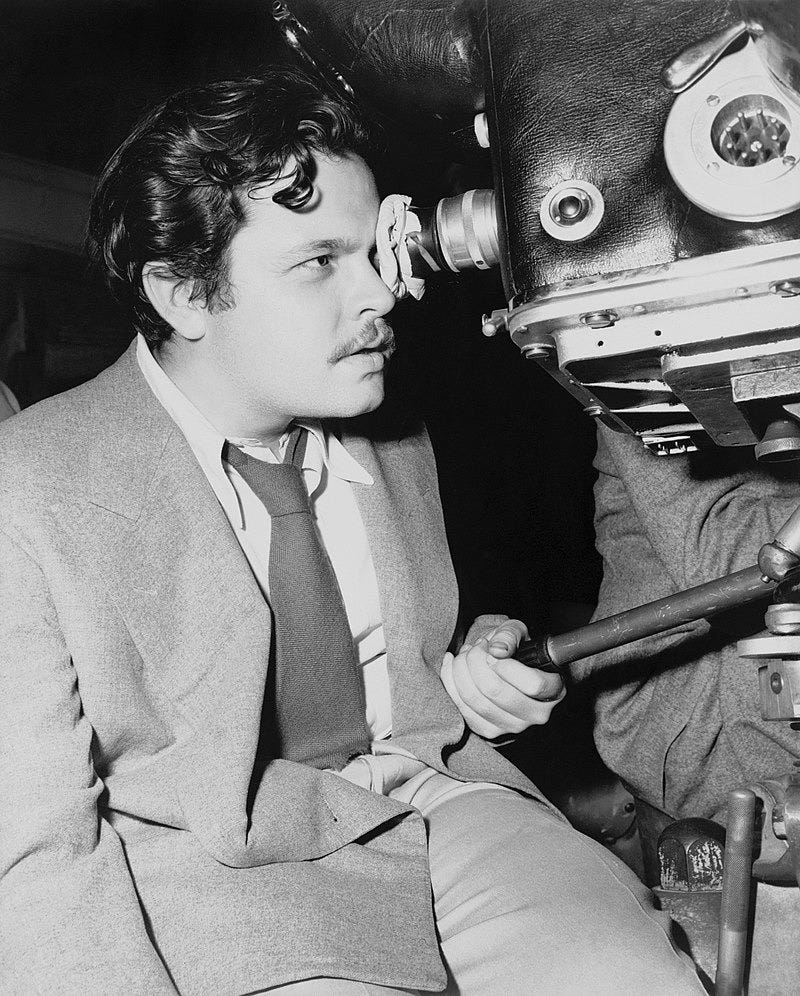
There’s a long rumored workprint supposedly floating around in South America. To date it has not been found.
The Replacements’ Tim LP got an AI-free makeover from Ed Stasium and yet holdouts cursed the new version, while other fans and critics finally heard the record free of poor compression, shitty drum sound, missing scraps and crap mastering.
Clearly Paul Westerberg and Tommy Stinson had given it some sort of official OK.
To my ears it was a revelation.
George Lucas would have kept recutting and adding new vfx to the Star Wars movies if he hadn’t sold them off to Disney
Would Welles want this?
Welles even considered shooting alternate footage with the living cast members as late as the 1970s, according to an interview with Peter Bogdanovich. It’s clear he wanted his vision restored.
The lost Lon Chaney horror film London After Midnight was variously recreated, at first via teleplay with stills from TCM and now in handmade AI recasting (from my pal Jon Hunt, among others).
My curiosity quite often outweighs my good sense, but I’m also not a cat.
I would love to see an attempt made to restore the film to its auteurist vision.
I fear the visual tics of AI-generated video will only result in garish slop.
In Sora 2, the latest video app from OpenAI, you can generate completely lifelike video of anyone (within IP copyright boundaries, supposedly) doing just about anything, short of violence and a handful of other banned activities.
The company behind ChatGPT and the clear leader in the AI race offers a tool that only requires taking a selfie in two positions, head-on and to the side, as well as speaking three double digit numbers. That’s enough for its engine to do some puppet-making of the most dastardly clever variety.
You can merely suggest a scenario and suddenly you’re a super hero, in Lawrence of Arabia-esque garb, or a psychotic killer in a horror movie trailer.
You can’t control it that much. Yet. It gives you what it’s going to give you.
And it has fairly stern IP guardrails, although it seems some things get through as usual.
It’s all in the prompting.
While it’s a fun if devious social media app, and certainly popular if you look at download numbers, it’s also rife with possibility for fraud.
I haven’t yet tested its ability to present me in jail, asking grandma for money.
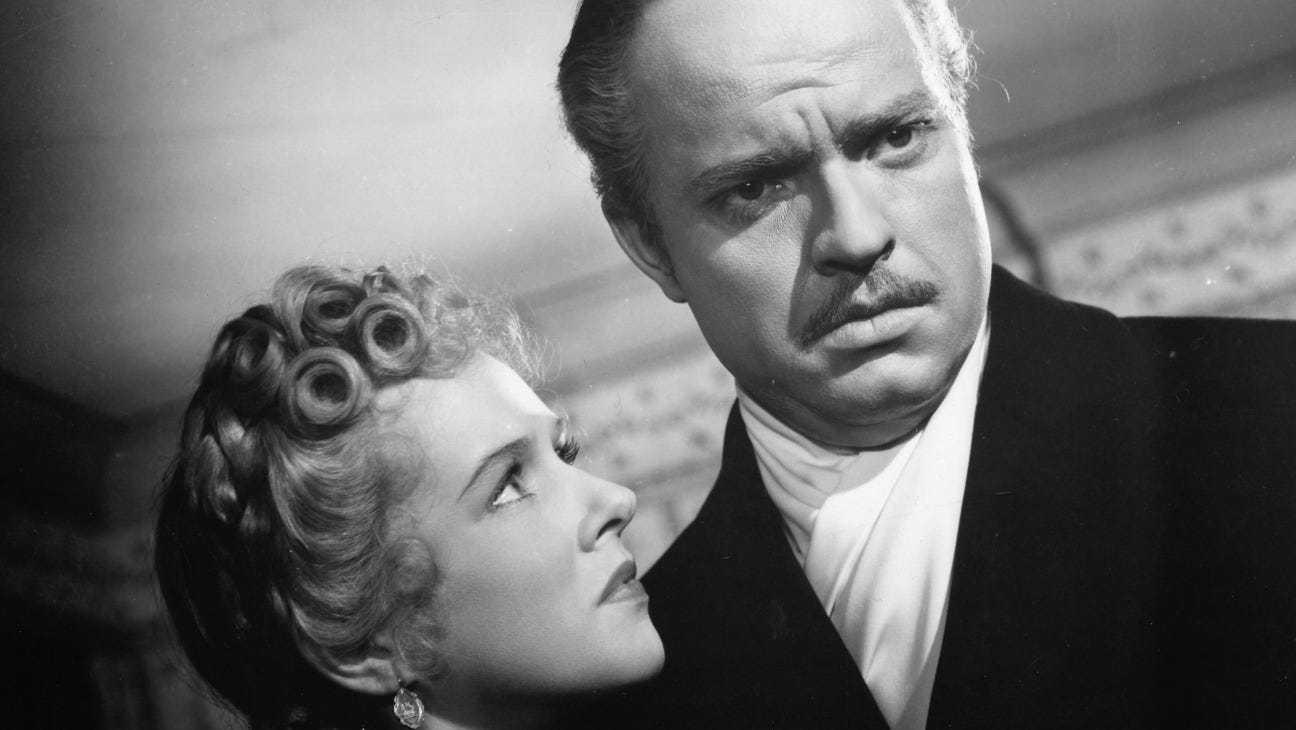
Do I want to see a Magnificent Ambersons as Welles intended? Of course! It might be the greatest film ever made.
Will AI create scenes with enough soul and heart and across the uncanny valley to make me believe in long dead Joseph Cotton for over two hours?
In the mega budget fan-fiction that was the last few Star Wars films, a CGI Peter Cushing gormed through several scenes. It was embarrassing.
In the godawful third chapter, The Rise of Skywalker, poor dead Carrie Fisher is dragged out of the cut ends and made to say generic phrases inserted mechanically, via CGI, and gracelessly into the film’s narrative.
In CGI and animation there’s the notion of the uncanny valley. That is, when you look into an animated or robotic or computer generated character’s eyes, do they look human? Do you see a soul in there?
This is especially apparent in video games and Marvel movies. Is there enough of a glint, a trick of pixels, that can convince you for just a second that what you’re watching isn’t completely constructed, fake, and thereby not worth caring about.
Or do most people even care anymore?
I use AI for prototyping software.
I’ve had enough experience with unscrupulous developers to not feel especially bad about cutting out the prototyping phase.
I get an idea and an hour or two later I have a piece of software I can test and demo, rather than $50,000 and several weeks, or months or longer, later.
That’s good, right?
I get that there are environmental concerns.
AI is problematic, but then again so are unscrupulous developers who overbill, lie, double-dip and steal your code, all things that have, unfortunately, happened to me.
My ambitions in this are undeniably selfish. But also self-protective.
Regardless, crafting production-ready software is not something these AI tools can do without humans in the mix.
Steering AI-generated footage of Joseph Cotton into believable mise-en-scene, enough to make you forget for a moment which scenes Welles and Douglas Toland shot, that’s going to take some humans too.
Sora isn’t quite there.
Tim is a better, clearer LP now than it was on my shitty Sire CD.
So why is this still worrying?
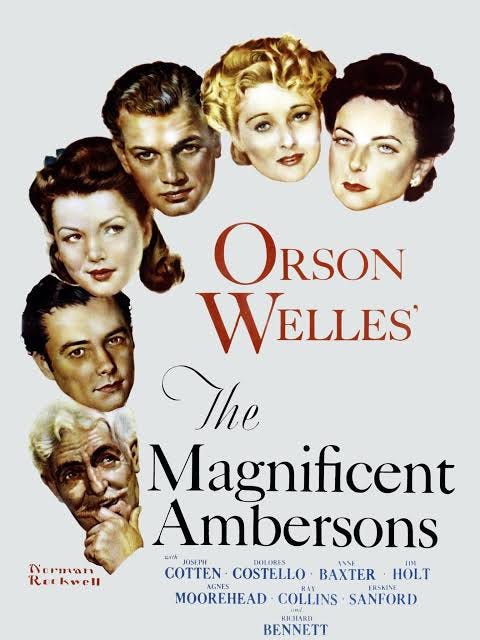
Mostly because no one involved has any say about their representation.
Everyone on the thing is long dead.
This is an Amazon-backed experiment.
For all its touting as non-commercialized, it’s clearly setting up a future that I’m not sure everyone, least of all me, wants.
Is software coding art? Certainly filmmaking can produce art. It can also produce the other thing: mindless entertainment, devoid of larger concerns, bereft of value to the universe.
Is the reassembled, digitally mocked up output based on Orson Welles’ notes, the original script, screening reviews; is this art?
It certainly can be.
There are legitimate artistic expressions performed with manipulation of software code.
This particular case stretches our understanding of art, our ethical concerns about AI, our ethics about media in general.
Do you want to see an AI-generated Tom Cruise selling Doritos after he dies and has signed away his identity and likeness?
Is that more or less concerning than trying to recreate something lost due to arguably abhorrent business reasons?
The surprising news that the Welles estate was unhappy about the remake/rebook/recreation isn’t that they find it an affront to his legacy. The estate has its own AI generated Orson voice they want to use in other IP exploitation.
How many people need to piss on a grave til it overflows?
Do I think this is a great idea? Well, probably not. If it works to any extent, it adds more fuel to the fire that is generative AI taking human jobs.
Do I want to see it? Yes. Hell yes.
But is that curiosity worth the trade off?
I’d love to hear your feelings on this. You’re reading Are You Experienced. I’m Nick Tangborn and you can find me at nicholas@areyouexperienced.co
Also, these days, you can find me at:
Sanctuary, Housing Solutions for the Displaced
Feel like throwing in a tip? Buying me a cup of coffee? This thing is entirely funded by you, and completely voluntarily. Here ya go.
*literally burned - can you imagine what a magnificent pain in the ass Welles must have been)
“My curiosity quite often outweighs my good sense, but I’m also not a cat.” I love
your writing, man.
https://www.theverge.com/news/798681/police-stop-pulling-ai-homeless-man-tiktok-prank